
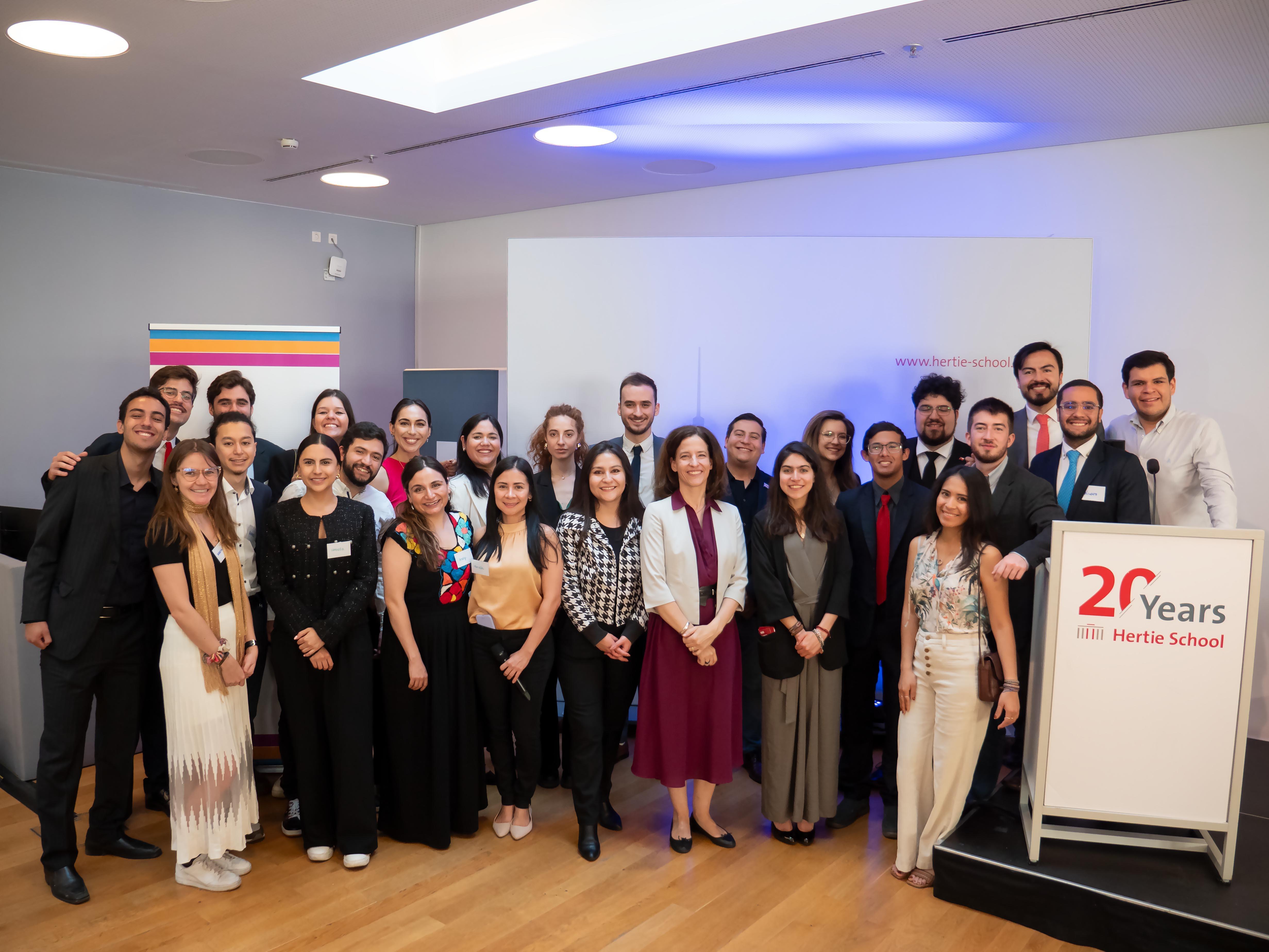
May 3rd & 4th, 2024
Amid the global uncertainties and transformative changes in political, economic, and social landscapes, the Hertie Latin American Club (HeLAC), a student
initiative of the Hertie School in Berlin, proudly announces the LATAM Conference II – 2024.
The LATAM Conference II – 2024, hosted by HeLAC, builds upon the legacy of previous conferences, offering a unique space for engagement and collaboration.
Scheduled to take place on the 3rd & 4th of May 2024 in the Hertie School, this two-day event will feature four pivotal panels, each addressing critical issues at
the intersection of Latin America and Europe.
The LATAM Conference II – 2024, hosted at the Hertie School, seeks to provide a comprehensive platform for knowledge exchange, idea generation, and
collaborative problem-solving. Through keynote speeches, expert panels, and interactive sessions, participants will contribute to shaping evidence-based
policies for sustainable and inclusive growth in Latin America.
Join us in this inuential event, where the academic excellence of the Hertie School converges with the dynamic discussions facilitated by HeLAC, contributing
to a future of positive change and innovation for Latin America and its global partners.
Organizing Institution
Founded in 2018, HeLAC is one of the Hertie School club’s most active and longest-established vibrant student associations. It was founded by students of
Latin American nationalities, currently constituting 15 percent of the total student body, as well as others who share a keen interest and connection to the region.
HeLAC is committed to fostering dialogue on the realities and challenges facing Latin America.
Under the motto “Understand today. Shape tomorrow”, the Hertie School is a university based in Berlin, Germany. It prepares exceptional students for
leadership positions in government, business, and civil society. Interdisciplinary and practice-oriented teaching, first-class research, and an extensive internation
network set the Hertie School apart and position it as an ambassador of good governance, characterized by public debate and engagement.
Schedule
May 3rd, 2024
| 10:00 – 10:30 hrs | Attendance registration |
| 10:30 – 10:40 hrs | Inaugural Speech Prof. Dr. Cornelia Woll, President of the Hertie School Lucero Sobrino, MPP Candidate 2024, Co-general coordinator of HeLac |
| 10:40 – 11:15 hrs | Key-note speech: Bridging Continents: Strengthening Latin American-European Partnerships for Sustainable Development Dr. Prof. Norbert Lammert, Chairman, Konrad Adenauer Stiftung (KAS) and Former President of the German Bundestag |
| 11:15 – 11:30 hrs | Coffe break |
| 11:30 – 13:30 hrs | Global Trends and the Future of Latin America: Insights from Ambassadors in Germany H.E. Fernando Brun, Ambassador of Argentina H.E. Roberto Jaguaribe Gomes de Mattos, Ambassador of Brazil H.E. Magdalena Atria, Ambassador of Chile H.E. Francisco Quiroga, Ambassador of Mexico H.E. Augusto Arzubiaga Scheuch, Ambassador of Peru Full moderation: Dr. Hildegard Stausberg, German journalist specialist in Latin America |
| 13:30 – 14:30 hrs | Lunch *Offered at Hertie School |
| 14:30 – 16:00 hrs | International Security and Peace in Latin America Ms. Mariana Roa, #Leader4Tomorrow, United Nations Office for Disarmament Affairs (UNODA) PhD. Alejandra del Pilar Ortiz Ayala, Head of conflict and conflict management specialization Willy Brant School of Public Policy Ms. Annette Walter, Ambassador, Director for Latin America and the Caribbean, Federal Foreign Office Moderation: Prof. Mark Hallerberg, PhD, Hertie School |
| 16:00 – 16:15 hrs | Coffe break |
| 16:15 – 17:30 hrs | Digital Governance in Latin America (Co-hosted with the Centre for Digital Governance, Hertie School) Mr. Reinaldo G. Gonzáles, CEO and Chairman, Siemens S.A. Mr. Carlos Scartascini, Head of Development Research Group, IDB Mr. José Díaz Mendoza, Founder and CEO Futuro Público (online) Mr. Ivan Durán, former Vice Minister of Technologies of Information and Communication, Colombia (online) Moderation: Ms. Ximena Docarmo, MPP Candidate 2024, member of the Hertie Latin America Club |
| 17:30 – 17:40 hrs | Closing remarks |
| 18:00 hrs | Cocktail venue for speakers and HeLac members at the Embassy of Peru, Taubenstraße 20, 4 OG, 10117 Berlin. (Vernissage of the photo exhibition “Dar Esperanza”, by the artist Hans-Dieter Brand, organized by the Embassy of Peru) |
May 4th, 2024
| 9:30 hrs | Attendance registration |
| 9:50 – 10:00 hrs | Welcome Mr. Julian Villa-Turek, MPP Candidate 2024, Co-general coordinator of HeLac |
| 10:00 – 11:30 hrs | Sustainable Development, Biodiversity, and Climate Justice in Latin America Mr. Klaus Köhnlein, Senior Project Management, KfW Ms. Hanny Cueva Beteta, Head of Environment Team, Border Management Branch, UNODC (on-line) Ms. Ati Viviam Villafaña, Indigenous activist (on-line) Ms. María Mejía, International Climate Protection Fellow | NetZeroCities EU Moderation: Mr. Henrique Motta, MPP Candidate 2025, member of the Hertie Latin America Club |
| 11:30 – 11:45 hrs | Coffee break |
| 11:45 – 13:00 hrs | The Challenges of Democracy and Human Rights in Latin America Dr. Marie-Christine Fuchs, Press Spokeswoman, Federal Ministry of Justice Prof. Dr. Sérgio Costa, Professor of Sociology, FU Berlin Ms. Aurelia Streit, Migration Researcher, German Centre for Integration Mr. Peter Alberto Behrens, political scientist focusing in democratization process in Latin America Moderation: Mr. Felipe Castillejo, MIA Candidate 2025, member of the Hertie Latin America Club |
| 13:00 – 14:30 hrs | Lunch *Offered at Hertie School |
| 14:30 – 16:00 hrs | Gender Perspectives in Latin America: Challenges, Achievements, and Commitments Ms. Cäcilia Riederer, Project Lead for Social and Gender Norms, Apolitical Foundation Ms. Alejandra Cordero, Gender and Economic Inclusion, European Bank for Reconstruction and Development Ms. Vania Pigenoutt, Mexican Journalist Ms. Juliana González Villamizar, Researcher of Peace Studies at the Justus-Liebig Universität in Gießen Moderation: Ms. Gabriela Salgado, MPP Candidate 2024 |
Speakers & Panel Information
Day 1: May 3rd, 2024
Key-note speech: Bridging Continents: Strengthening Latin
American-European Partnerships for Sustainable Development
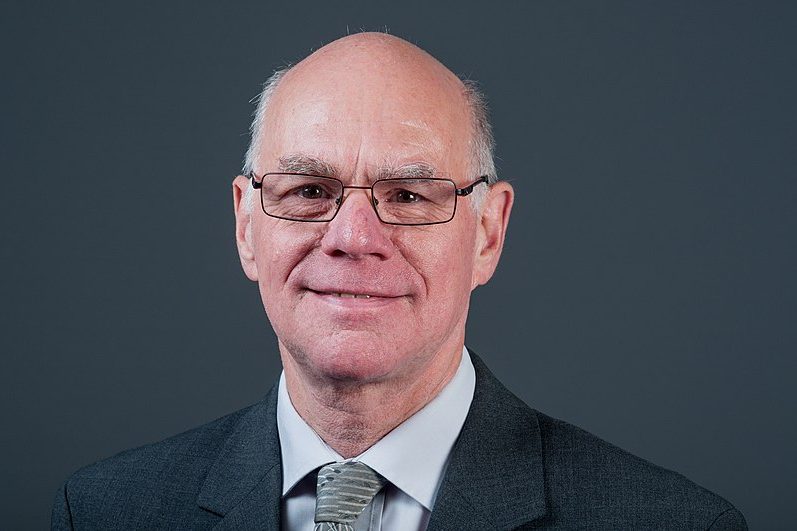
Prof. Dr. Norbert Lammert
Chairman of the Konrad-Adenauer-Stiftung (KAS) since 2018. He held the position of Vice-President of the German Bundestag from 2002 to 2005, and went on to serve as the President of the German Bundestag from 2005 to October 2017. After completing his Abitur (higher education entrance qualification) and later his military service, he studied political science, modern history and social economics at Oxford and the University of Bochum where he received his Doctorate in Social Sciences in 1975.
Panel 1: Global Trends and the Future of Latin America: Insights from Ambassadors
in Germany
With the role of representing their countries in Germany and deepening relations between their various stakeholders, ambassadors from various Latin American
countries will share their views on the challenges they face in positioning Europe, the changing landscape of international relations worldwide, and how countries
navigate resiliently in this changing global order to ensure their positioning. With recent State visits from German ministers and officials to Latin America and the
signing of new commercial and environmental agreements, the region has become a new key partner of the international agenda of the federal government.
Together with the Ambassadors of Brazil, Mexico, Peru, Chile, and Argentina, we will have the opportunity to deep into bilateral relationships and the joint work of Latin American embassies in Berlin.
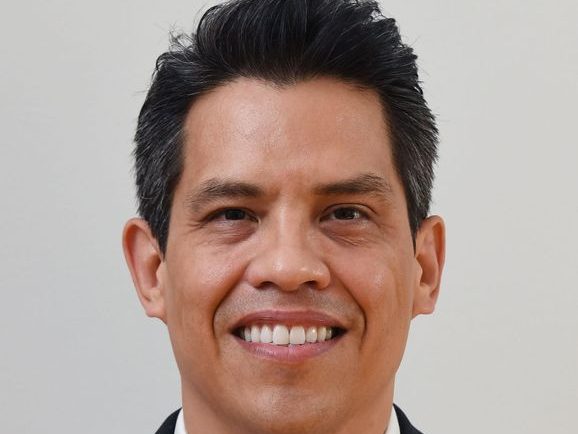
H.E Francisco Quiroga
Ambassador of Mexico to Germany since September 2021. He studied Economics at the Autonomous University of Nuevo León, Mexico, and holds a master degree in International Business and Development from Yale University and another one in Operations Management from the University of Auckland, New Zealand. He
started his career in the International Trade Negotiations Unit at the Mexican Ministry of Trade and Industrial Promotion (now the Ministry of Economy). In the private sector, he held several management positions in the metals and minerals sector, both in Mexico and Germany. Before being appointed ambassador, he was vice
minister at the Ministry of Economy overseeing, among others, the mining industry of Mexico.

H.E Magdalena Atria
Ambassador of Chile to Germany. Lawyer with master’s degree in International Law with a focus on Investment, Trade and International Arbitration, Ruprecht Karls University, Santiago – Heidelberg. Former head of the Legal
Department of the Agency for the Promotion of Foreign Investment Promotion Agency Invest-Chile, Santiago.
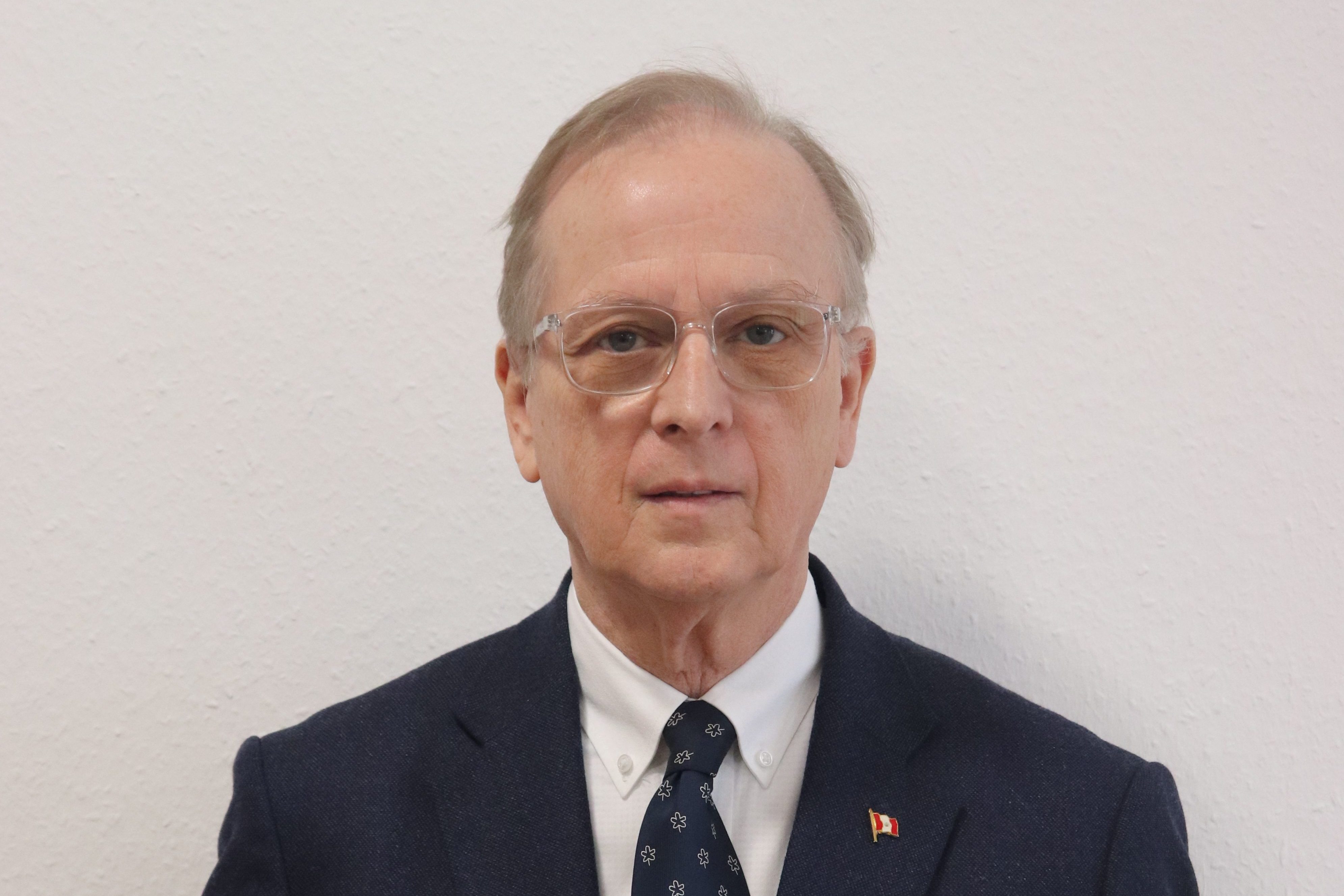
H.E Augusto Arzubiaga Scheuch
Ambassador of Peru in Germany. Career diplomat with 40 years of service. Bachelor in International Relations and Master in Diplomacy by the Diplomatic Academy of Peru. He has been a professor of Diplomacy and Diplomatic Law. He served as Ambassador of Peru in Uruguay and as Permanent Representative of Peru to ALADI. During his career, he has been posted to Spain, Chile, and the United States. In Peru, he held high-level positions in several Ministries. His last post was Director General of Sovereignty, Boundaries, and Antarctic Affairs (Maritime and Air) at the Ministry of Foreign Affairs.

H.E Fernando Brun
He served as Ambassador of the Argentinian Republic to the Federal Republic of Germany from 2020, representing Argentina’s interests in Germany. Before this, he was Head of the Cabinet for International Relations at the State Secretariat for Strategic Affairs in the Office of the President of Argentina.Previously, he held positions such as Deputy Chief of Protocol, General Consul in Hamburg, and Chief of Staff at the Embassy in
Brasilia, Brazil. He also coordinated the G20 Summit in Hamburg in 2017.

H.E Roberto Jaguaribe
Ambassador of Brazil to Germany. Career Diplomat with more than 40 years of service, worked in missions to the United Nations, and Brazil embassies. Hold high-level positions both abroad and former Ministry of Foreign Affairs as well as in other federal agencies of the Brazilian Government. He was Brazil’s Ambassador to the United Kingdom of Great Britain and Northern Ireland between 2010 and 2015 and to the People’s Republic of China and to Mongolia between 2015 and 2016.. He was Chair of the Brazilian Trade and Investment Promotion Agency – Apex-Brasil from 2016 to 2019.
Moderation:

Dr. Hildegard Stausberg
Dr. Stausberg studied political science, history, national economy and law at the universities of Hamburg, Cologne, and Bonn. In 1975, she graduated with a doctorate in Bonn. Her thesis is entitled “Argentina and the Revolución Libertadora of 1955”. Subsequently, she worked for the Frankfurter Allgemeine Zeitung, the Deutsche Welle, and for the newspaper Die Welt. She is currently Deputy CEO to AFOS. Dr. Stausberg also teaches at the universities of Bonn and Cologne. She is president of the Kölner Presseclub (Cologne Press Club).
Panel 2: International Security and Peace in Latin America
Latin America and the Caribbean have faced the highest homicide rate worldwide1 has been considered as Over the years, academics and international organizations reports have shown the connection between organized crime and deep social and economic inequality and broad impunity. Delve into discussions surrounding security dynamics in different countries in Latin America, addressing the relation with participation, justice systems, and peace prospects. As a transversal element, we analyze the geopolitical positioning of the region in light of a world order in motion addressing regional security agreements. the challenges for the region in terms of international security.
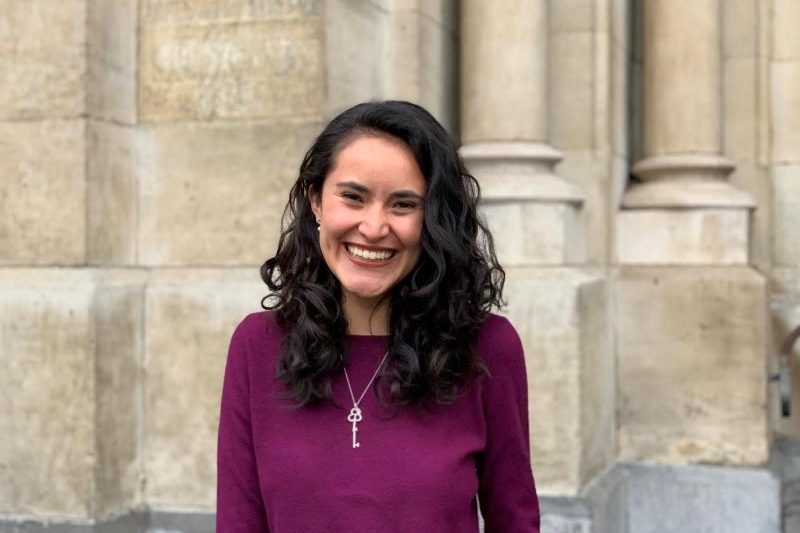
Mariana Roa
Member of the Permanent Mission of Mexico to United States. She is working at the Permanent Mission of Mexico to the United Nations in Geneva, where she covers disarmament issues; a great honor after being an enthusiastic MUNer for years. Currently, she is involved in topics relating to biological, nuclear, and conventional weapons. As well as emerging technologies in the area of disarmament. She is passionate about international security topics and their impacts on our daily lives and was selected by the United Nations as a #Leader4tomorrow.
PhD Alejandra Ortiz-Ayala
Head of Conflict and Conflict Management Specialization, Willy Brandt School of Public Policy. She is a political scientist whith particular expertise in studying the security sector’s role in peace processes, including transitional justice, state-building, and post-war violence. Finally, her recent research studies social cohesion in the context of civilian displacement and resettlement during and post-civil wars in the context of Colombia and New Zealand.
Annette Walter
Director for Latin America and the Caribbean at the Federal Foreign Office in Berlin since August. With extensive diplomatic experience, she previously held roles such as Head of the Cultural Affairs Division at the German Embassy in Rome and Head of the Division for Basic Issues in Latin America and the Caribbean. Annette has also
served in various capacities in diplomatic missions in Brussels, Quito, and São Paulo. She holds degrees in Latin American Regional Studies and Economics from the University of Cologne.
Moderation:

Prof. Dr. Mark Halleberg
Professor of Public Management and Political Economy at the Hertie School. His research focuses on fiscal governance, tax competition, financial crises, and European Union politics. He previously held academic positions at Emory University, where he maintains an affiliation with the political science department, as well as at the University of Pittsburgh and Georgia Institute of Technology. He has advised, among others, Ernst and Young Poland, the European Central Bank, the German Corporation for International Cooperation (GIZ), the Inter-American Development Bank, International Monetary Fund, and the World Bank. He received his PhD from University of California, Los Angeles (UCLA) in 1995.
Panel 3: Digital Governance in Latin America
Over the last decades, there have been noticeable initiatives in Latin America aimed at establishing digital governance and reducing inequalities in both
infrastructure and digital literacy. Currently, this challenge is exacerbated by growing global access to Artificial Intelligence, a development that has
significantly altered the use of technology globally. In the region, the focal point is to figure out how to leverage emerging technologies to promote inclusion. This
involves navigating the dynamic landscape of innovation and digital governance, with a focus on understanding how technological advances can improve effective governance in Latin America.
Iván Durán
Former Vice Minister of Technologies of Information and Communication, Colombia. He is
the High ICT Commissioner of Bogotá. Economist and MSc in economics from the National
University of Colombia, and PhD in Applied Economics from the Autonomous University of
Barcelona He has served as Vice Minister of Digital Transformation at the Ministry of ICT in
Colombia, and Director of Digital Development at the National Planning Department (DNP).
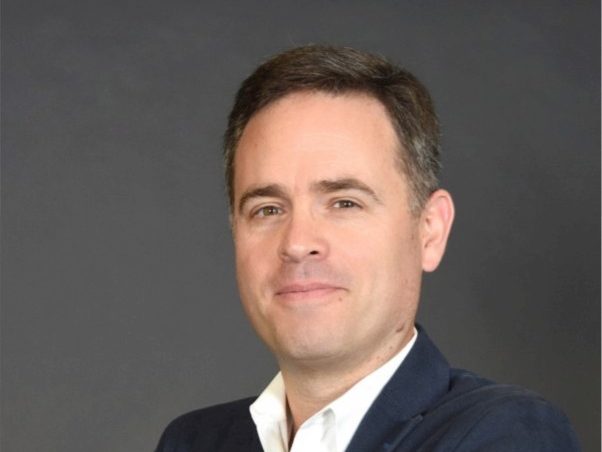
Carlos Scartascini
Head of the Development Research Group at the Research Department and Leader of the Behavioral Economics Group of the Inter-American Development Bank. He is a member of the Executive Committee of IDB’s Gender and Diversity Lab, member of the Scientific Committee of Elcano Royal Institute, member of the Board of Advisors of the Master of Behavioral and Decision Sciences at the University of Pennsylvania, Associate Editor of the academic journal Economía, and Founding Member of LACEA’s BRAIN (Behavioral Insights Network).
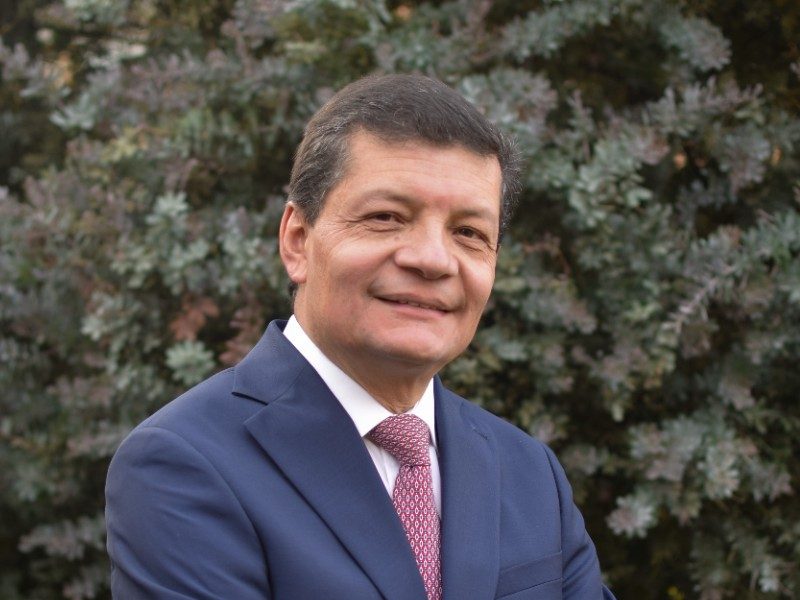
Reinaldo García
CEO and Chairman, Siemens S.A. Colombia. With over 40 years of experience in the industry, he is an expert in Digitalization and Industry 4.0. Throughout his career, he has led various areas within Siemens in different countries. He is a Computer Engineer and Project Management specialist from the Universidad Javeriana. He has
participated in various programa: the Senior Management program at the Universidad de los Andes and has an MBA from the Instituto de Desarrollo Empresarial (IDE) in Ecuador and the Senior Management training program at INALDE in Colombia.
José Díaz Mendoza
Founder and CEO, Futuro Publico. Senior consultant for AI and Policy-making at the World Health Organization (WHO). There he contributes to policy and trend analysis of AI systems in health and supports countries in advancing ethical policy-making for AI applications and technology in healthcare. Prior to joining WHO, he worked for the OECD/OPSI, GIZ African Union Office and the Peruvian Government. Master in Public Policy
from the Hertie School (class of 2020) and Master in AI for government from the Milan Polytechnic and Tallinn Technology University.
Moderation:
Ximena Docarmo
Candidate for the Master of Public Policy at the Hertie School. Learning Designer at the Apolitical Foundation. Author of the book Toolbox for Strategic Political Training. Further,
she founded InnovaLab and regularly contributes articles on artificial intelligence and politics to the Latin American digital platform Diálogo Político.
Day 2: May 4th, 2024
Panel 4: Sustainable Development, Biodiversity and Climate Justice in Latin
America
The protection of natural environments in Latin America and the Caribbean, including the conservation of forests and the protection of marine ecosystems, is
becoming a main agenda inside and outside the region. Therefore, processes and programs developed by multiple actors for food security and energy transition
However, to accomplish new goals, a governance perspective should be applied with civil society as a key player, especially multiethnic voices and knowledge in the protection of the environment such as Indigenous, women’s and Afro-descendant peoples in Latin America. Given the urgency for quick and integral solutions, this panel will provide insights and evaluate strategies for sustainable development in the context of environmental conservation and climate change.

Klaus Köhnlein
Senior Project Management, KfW Development Bank in Frankfurt/Germany. Klaus Köhnlein is a geographer and currently works as a Portfolio Manager at KfW Development Bank in Frankfurt/Germany. In the Biodiversity and
Natural Resources Division for Latin America and the Caribbean, he develops solutions for financing forest conservation and sustainable use of tropical forests in Brazil and Colombia within the framework of the UNFCCC REDD+ mechanism. Prior to joining KfW, he worked for more than a decade as a consultant for water resources and environmental projects in Africa, Asia and Latin America.
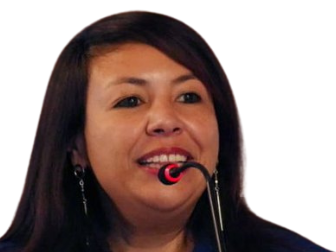
Hanny Cueva Beteta
Head of UNODC’s Global Programme on Crimes that Affect the Environment based in Vienna. She has over 25 years of professional experience, including more than 15 years with the UN System at headquarters, regional and country locations. Before joining the United Nations, she was a researcher and lecturer at the Universidad del Pacífico in Lima, Peru where she has a BA in Economics by the Universidad del Pacífico, there she worked and published extensively on issues of poverty and development economics, as well as on private and social evaluation of projects. She holds a MPhil in Development Studies (Institute of Development Studies, Sussex University, United Kingdom).

Ati Viviam Villafañe
Head of UNODC’s Global Programme on Crimes that Affect the Environment based in Vienna. She has over 25 years of professional experience, including more than 15 years with the UN System at headquarters, regional and country locations. Before joining the United Nations, she was a researcher and lecturer at the Universidad del Pacífico in Lima, Peru where she has a BA in Economics by the Universidad del Pacífico, there she worked and published extensively on issues of poverty and development economics, as well as on private and social evaluation of projects. She holds a MPhil in Development Studies (Institute of Development Studies, Sussex University, United Kingdom).

María Mejía
With over a decade of experience, María is a Colombian sustainability practitioner focused on urban ecology, land management, and biodiversity conservation. She has collaborated globally with public institutions, multilateral agencies, and non-profits, fostering sustainability across diverse landscapes from Colombia to the
USA, Philippines, and Germany. As Coordinator of the BiodiverCities by 2030 Initiative, María led
efforts to integrate nature into urban environments across 180 Latin American settlements.
Moderation:
Henrique Motta
Henrique is currently pursuing a Masters of Public Policy at the Hertie School in Berlin. With a background in International Relations, he has specialized in monitoring topics related to sustainability and digital governance within Brazil’s legislative arena. Presently, he is gaining valuable experience during his professional year at GIZ. Working mostly with digital development, he is also involved in efforts to connect Digitalization with Sustainability.
Panel 5: The Challenges of Democracy and Human Rights in Latin America
According to the Global Democracy Index 2022, only three Latin American countries had full democracies: Uruguay, Chile, and Costa Rica, authoritarian
threats are clear in the region. Throughout this section, we explore the state of democracy in Latin America, examining the quality of political institutions, citizen
participation, and the protection of human rights. As a cross-cutting element of discussion, we analyze how Latin America can play a more vocal role in the defense of democracy and human rights.

Aurelia Streit
Migration researcher at the DeZIM Institute. Aurelia Streit is a migration researcher at the DeZIM institute (German Centre for Integration and Migration Research) in Berlin. She co-founded the student initiative “Refugee Project Maastricht” and gained work experience at the UK Parliament with the Shadow Minister of Immigration, World Bank and at the Inter-American Development Bank as a migration consultant. Her research focuses on migration governance, refugee camps and externalization policies with studies and work experience in the
EU, MENA and the LAC region.
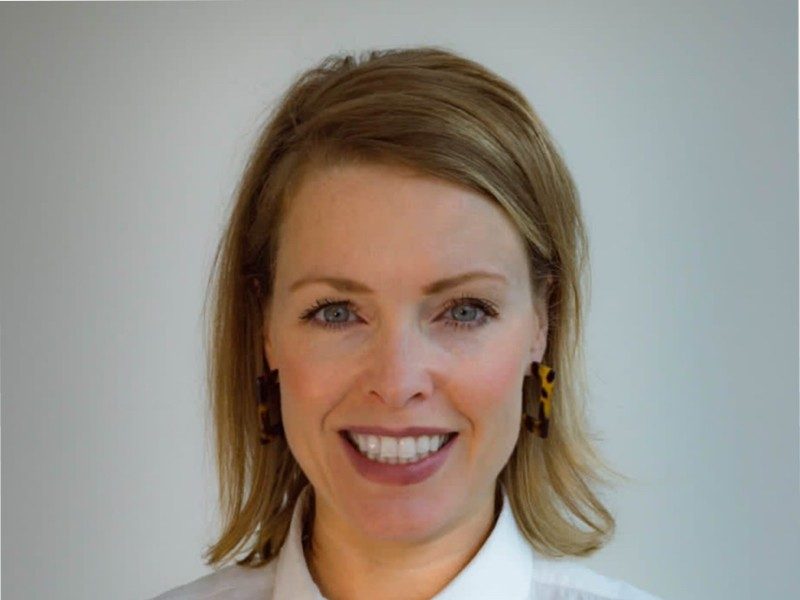
Dr. Marie-Christine Fuchs
Press Spokeswoman for the Federal Ministry of Justice. Prior to this appointment, she served as the Director of the Rule of Law Program for Latin America at the Konrad-Adenauer Foundation, based in Bogotá. She holds a Master’s degree in International Public Law, European Union Law, and Human Rights from Saarbrücken University, Germany. Additionally, she holds a Doctorate in Law from the same university. She pursued undergraduate studies in both German and French law.
Sergio Costa
Profesor, FU Berlin – Lateinamerika Institut (LAI). Trained in economics and sociology in Brazil and Germany, Sérgio Costa has been since 2008 a professor for sociology with a focus on Latin America at Freie Universität Berlin. He is the pokesperson of the Maria SibyllaMerian Centre Conviviality-Inequality in Latin America (Mecila)
and member of the Executive Board of Forum Transregional Studies. His main areas of research and publication are: social inequalities, convivial studies, racism and anti-racism, and postcolonial theories.

Peter-Alberto Behrens
Political scientist specializing in democratization processes in Latin America. With university studies in Barcelona, Bonn and Mainz. Professionally he has worked both in the public and private sector (e.g. Konrad Adenauer Foundation, GIZ, Edelman or Berlin Global Advisors), in Germany and in Latin America. Peter-Alberto has been particularly active in leading positions of institutions dedicated to fostering democracy, empowering civil society
and advocating for democratic values such as the Arolsen Archives, the world’s largest documentation center on Nazi persecution.
Moderation:
Felipe Castillejo Gaitán
Felipe Holds dual bachelor’s degrees in Anthropology and Political Science from the Universidad de los Andes (Bogotá). He is currently pursuing a Master of International Affairs at the Hertie School. He serves as a research assistant at the Berlin Social Science Center (WZB). He worked in a social consulting firm in Colombia in projects funded by governmental institutions and international organizations focusing on migration, peace and conflict studies, public policy evaluation, and the strengthening of democratic institutions.
Panel 6: Gender Perspectives in Latin America: Challenges, Achievements and
Commitments
Foster a comprehensive understanding of gender perspectives in Latin America, encouraging a collaborative approach toward sustainable solutions. By addressing challenges, celebrating achievements, and outlining commitments, the panel aims to contribute to the ongoing discourse on gender equality in the region.
Cäcilia Riederer
Project Coordinator Women in Politics, Apolitical Foundation. Cäcilia is an intersectional feminist with a background in human rights advocacy and disability rights work. From her previous experiences, she brings expertise in project management, advocacy, and stakeholder engagement in the civil society space and in
political campaigns. In her work, she strives to empower people from marginalized groups and people with disabilities to stand up for their rights and to provide them with a platform for self-advocacy and skills evelopment.
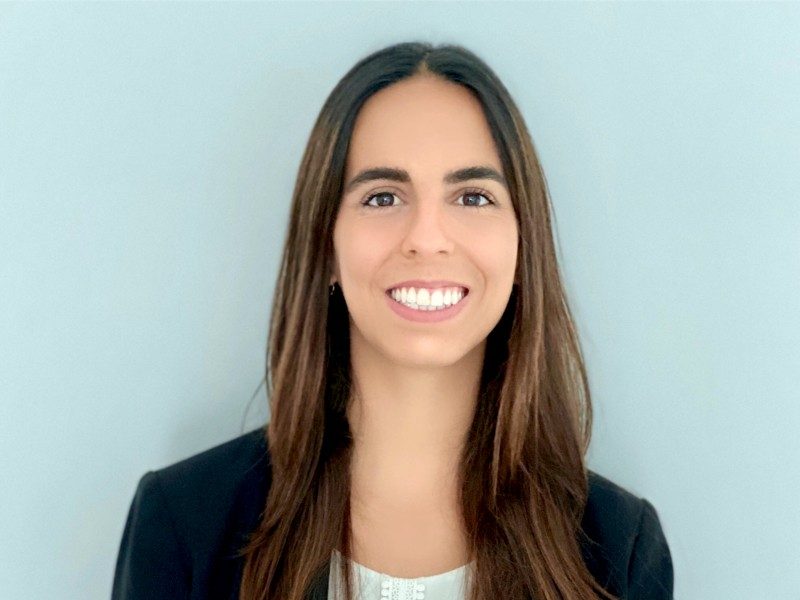
Alejandra Cordero
Principal at the European Bank for Reconstruction and Development (EBRD). International development specialist with a focus on human capital development and gender equality. Currently serving as a Principal at the European Bank for Reconstruction and Development (EBRD) in London, Alejandra oversees the Bank’s inclusive and gender-responsive investments within the infrastructure sector. Alejandra holds a Master of Public Administration from Columbia University’s School of International and Public Affairs (SIPA), specializing in gender and development studies.

Vannia Pigenoutt
Mexican journalist and co-founder of mataranadie.com. Vania Pigeonutt has been a Mexican journalist and producer for various international media for 14 years, focusing on the effects of transnational organized crime and human rights. She has been based in Berlin since 2022 investigating crimes against freedom of expression. She has specialized in understanding criminal dynamics from a local dimension: poppy-growing communities, phenomena such as kidnapping and extortion, as well as violence against women. To date, she continues to analyze issues of forced disappearance, forced internal displacement, migration, political violence, children, and youth.

Juliana González Villamizar
Philosopher from the Universidad Nacional de Colombia and M.A. in Political Theory from the Goethe University of Frankfurt. She is currently a researcher at the Chair of Peace Studies at the Justus-Liebig University in Gießen, where she collaborates with the German-Colombian Institute for Peace – CAPAZ. Juliana’s work
focuses on transitional justice, memory politics and peacebuilding from feminist, intersectional and decolonial perspectives.
Moderation:
Gabriela Salgado
Gabriela is a social anthropologist, writer, and translator from South America based in Berlin, Germany. Researcher in medical anthropology applied to mental health, her research deals with topics such as stigmatization, institutions, prison systems, human rights, and gender. She grew up in Ecuador, where she completed a BA in Applied Linguistics and a master’s program in Anthropology from FLACSO Ecuador. Currently, she is working on a PhD research proposal in Berlin and working as part of the communications team at the C40 Cities Finance Facility (CFF) in Germany.
 Hertie School Latin American Club